
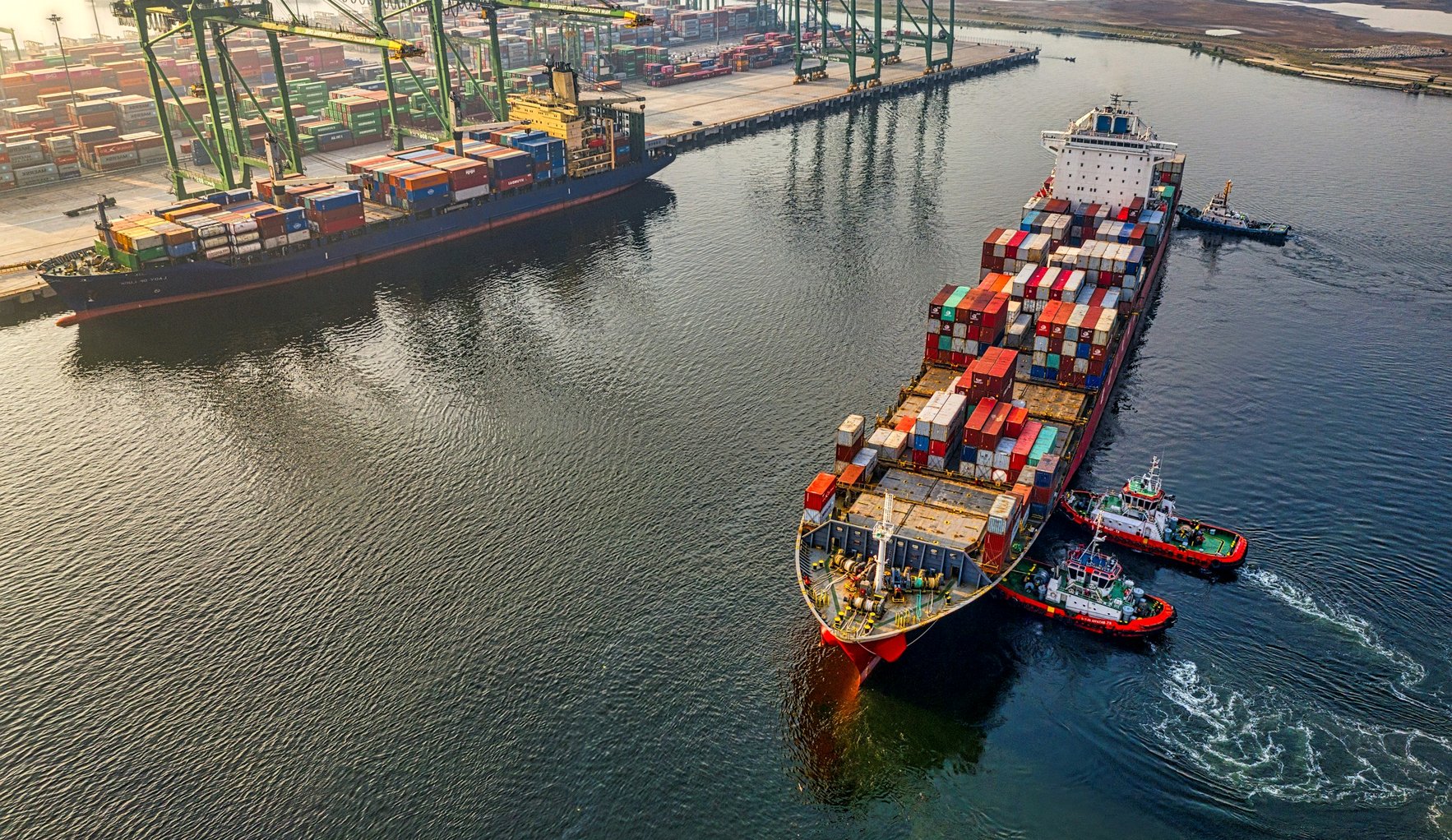
How many wild animals does Japan import? (2020 to 2024)
According to a WWF Japan report, over the five years 2020 to 2024 Japan imported 498,478 live reptiles listed in the CITES Appendices, third in the world, and 43,214 amphibians and 28,380 mammals, both second (WWF Japan, September 2026). Worldwide, seizure records for 2015 to 2021 involve about 4,000 species in 162 countries and territories (UNODC, May 2024).
Karatsu Farm & Food compiled this page as part of the Karatsu Data Bank. It lists figures on the international trade in wild animals and their use as pets, from international bodies, WWF Japan and the Ministry of the Environment. We give no species names, only taxonomic groups (reptiles, amphibians and so on) and quantities, and add no conclusions or evaluations.
| Group | Japan imports (individuals, 2020 to 2024 total) | World rank |
|---|---|---|
| Reptiles | 498,478 | 3rd |
| Amphibians | 43,214 | 2nd |
| Mammals | 28,380 | 2nd |
CITES-listed species are only part of Japan's live reptile and amphibian imports: under 40% every year for reptiles, and under 30% since 2018 for amphibians (WWF Japan). Trade in other species cannot be checked in CITES records.
How many threatened and endemic species are imported?
| Group | IUCN threatened species | Individuals | Endemic species |
|---|---|---|---|
| Reptiles | 120 | 204,613 | 172 |
| Amphibians | 30 | 4,624 | 40 |
| Birds | 23 | 2,694 | 35 |
Domestic sales and smuggling (2020 to 2025)
| Item | Value | When |
|---|---|---|
| Reptiles found on sale at an expo | 648 taxa (313, or 48.3%, CITES-listed) | 2025, Tokyo |
| Amphibians, same | 87 taxa (21, or 24.1%, CITES-listed) | 2025, Tokyo |
| CITES-listed reptile species with no import record found | 17 (11 listed since 2022: imported before listing applied, or records not yet published) | 2025 |
| Attempted smuggling of CITES-listed animals stopped by customs | at least 20 cases, 1,209 individuals | 2020 to 2024 |
| of which via commercial air cargo | 14 of 20 (up to 341 individuals in one case) | 2020 to 2024 |
Illegal wildlife trade worldwide (2015 to 2021)
| Rank | Commodity type | Share of seizure records |
|---|---|---|
| 1 | Coral pieces | 16% |
| 2 | Live specimens | 15% |
| 3 | Medicines | 10% |
| 4 | Meat | 6% |
| 4 | Shells | 6% |
| 4 | Small leather products | 6% |
| 7 | Bodies | 4% |
| 8 | Roots | 3% |
| 8 | Extracts | 3% |
| Others | 31% |
UNODC reports that seizures in 2015 to 2021 indicate illegal trade in about 4,000 plant and animal species in 162 countries and territories (UNODC). Live specimens make up 15% of seizure records by commodity type (UNODC).
Japan's Invasive Alien Species by group (2026)
| Rank | Group | Invasive Alien Species (types) |
|---|---|---|
| 1 | Fishes | 30 |
| 2 | Insects | 27 |
| 3 | Mammals | 25 |
| 4 | Reptiles | 22 |
| 5 | Plants | 19 |
| 6 | Amphibians | 18 |
| 7 | Birds | 7 |
| 7 | Spiders and scorpions | 7 |
| 9 | Crustaceans | 6 |
| 10 | Molluscs etc. | 5 |
| Total | 166 |
The WWF Japan report notes that CITES-listed species imported in 2020 to 2024 include some already established in Japan's wild and hybridising with native animals, and some established as invasive species abroad (WWF Japan).
Corporate action (joint declaration, 2026)
A joint declaration called for by WWF Japan and published on 9 July 2026 has been endorsed by 27 companies and organisations (including WWF Japan) in pets, e-commerce, transport and tourism. It aims to prevent extinction from illegal or excessive use of wildlife. Its four points: recognising illegal or excessive trade and release into the wild as a direct threat to biodiversity; assessing their own involvement; preventing release into the wild by businesses handling live animals; and raising awareness among consumers, partners and staff (WWF Japan, declaration).
Threatened species in Saga Prefecture
Figures from Saga's Red List are on endangered species data and are not repeated here.
An example in Karatsu (our work)
We manage the Yokomakura area in Ochi, Karatsu, the first site in Saga certified as a Nature Symbiosis Site by the Ministry of the Environment, where paddies, ponds, waterways and woodland connect, and we run surveys and nature walks there (Yokomakura OECM, Japanese). In our communications we do not give species names, so that locations cannot be identified.
FAQ
Q1. How many wild animals does Japan import?
According to WWF Japan, in 2020 to 2024 Japan imported 498,478 CITES-listed live reptiles (3rd in the world), 43,214 amphibians (2nd) and 28,380 mammals (2nd).
Q2. Are threatened species imported?
Imports in the same period included IUCN threatened species: 120 reptile species (204,613 individuals), 30 amphibian species (4,624) and 23 bird species (2,694) (WWF Japan).
Q3. How much wildlife smuggling is there?
In 2020 to 2024, Japanese customs stopped at least 20 attempts to smuggle CITES-listed animals, involving 1,209 individuals; 14 of the 20 were in commercial air cargo (WWF Japan).
Q4. How large is illegal wildlife trade worldwide?
UNODC reports seizures of about 4,000 species in 162 countries and territories in 2015 to 2021, of which about 3,250 are CITES-listed.
Q5. How many Invasive Alien Species are designated in Japan?
166 types after additions effective 1 September 2026: fishes 30, insects 27, mammals 25, reptiles 22 and others (Ministry of the Environment).
Q6. What are companies doing?
In July 2026, 27 companies and organisations in pets, e-commerce, transport and tourism endorsed a joint declaration to prevent extinction from illegal or excessive use of wildlife (WWF Japan).
Sources
| Document | Publisher | Date | URL | Accessed |
|---|---|---|---|---|
| Responsibility in consumption: Japan's imports of live wild animals (report) | WWF Japan | 2026-09 | https://www.wwf.or.jp/activities/data/202609wildlife01.pdf | 2026-11-17 |
| Report on Japan's imports of live wild animals (press release) | WWF Japan | 2026-09-18 | https://www.wwf.or.jp/press/6402.html | 2026-11-17 |
| Japan as a major importer of wild animals (explainer) | WWF Japan | 2026-09-18 | https://www.wwf.or.jp/activities/lib/6398.html | 2026-11-17 |
| Joint declaration to prevent extinction from illegal or excessive use of wildlife | WWF Japan et al. | 2026-07-09 | https://www.wwf.or.jp/activities/statement/6316.html | 2026-11-17 |
| 27 companies and organisations endorse joint declaration (press release) | WWF Japan | 2026-07-09 | https://www.wwf.or.jp/press/6317.html | 2026-11-17 |
| World Wildlife Crime Report 2024 (press release) | UNODC | 2024-05-13 | https://www.unodc.org/unodc/press/releases/2024/May/despite-two-decades-of-concerted-action--wildlife-trafficking-persists-worldwide-with-more-than-4-000-species-affected--says-new-unodc-world-wildlife-crime-report.html | 2026-11-17 |
| World Wildlife Crime Report 2024 | UNODC | 2024-05 | https://www.unodc.org/documents/data-and-analysis/wildlife/2024/Wildlife2024_Final.pdf | 2026-11-17 |
| World Wildlife Crime Report 2024, Chapter 1 | UNODC | 2024-05 | https://www.unodc.org/documents/data-and-analysis/wildlife/2024/WLC24_Chapter1_Final.pdf | 2026-11-17 |
| List of Invasive Alien Species | Ministry of the Environment | 2026 | https://www.env.go.jp/nature/intro/2outline/list.html | 2026-11-17 |
| New designation of Invasive Alien Species (report) | Ministry of the Environment | 2026 | https://www.env.go.jp/council/content/12nature05/000423824.pdf | 2026-11-17 |
Notes on reading the figures
Import volumes come from CITES trade data (reports by exporting and importing countries) and exclude species not listed in the Appendices. World ranks are WWF Japan's comparison of 2020 to 2024 totals. Seizure records count only detected cases, not the full scale of illegal trade. Commodity shares are shares of record counts, not of weight or individuals.
What this page does not cover
This page does not cover individual species names, trade routes or shops, evaluations of pet keeping, or habitats of rare species in Japan. Species names are omitted because naming them can make animals targets for collection. Saga's Red List is on endangered species data, and global biodiversity figures are on biodiversity data.
Citing this page and enquiries
To cite figures from this page or to ask about environmental learning at the nature site or corporate training, please use our contact page or write to info@karatsu-f-f.com.
About this page
By Hiroaki Kojima (Vice Director, Karatsu Farm & Food) / Contact: info@karatsu-f-f.com (contact page) / Published: 17 November 2026 / Markdown: wildlife-trade-data.mdThis page is made together with AI. See this data bank and AI for how.
Related links
▶ Karatsu Data Bank
▶ Endangered species data
▶ Biodiversity data
▶ 野生動物の取引とペットのデータ(日本語)