
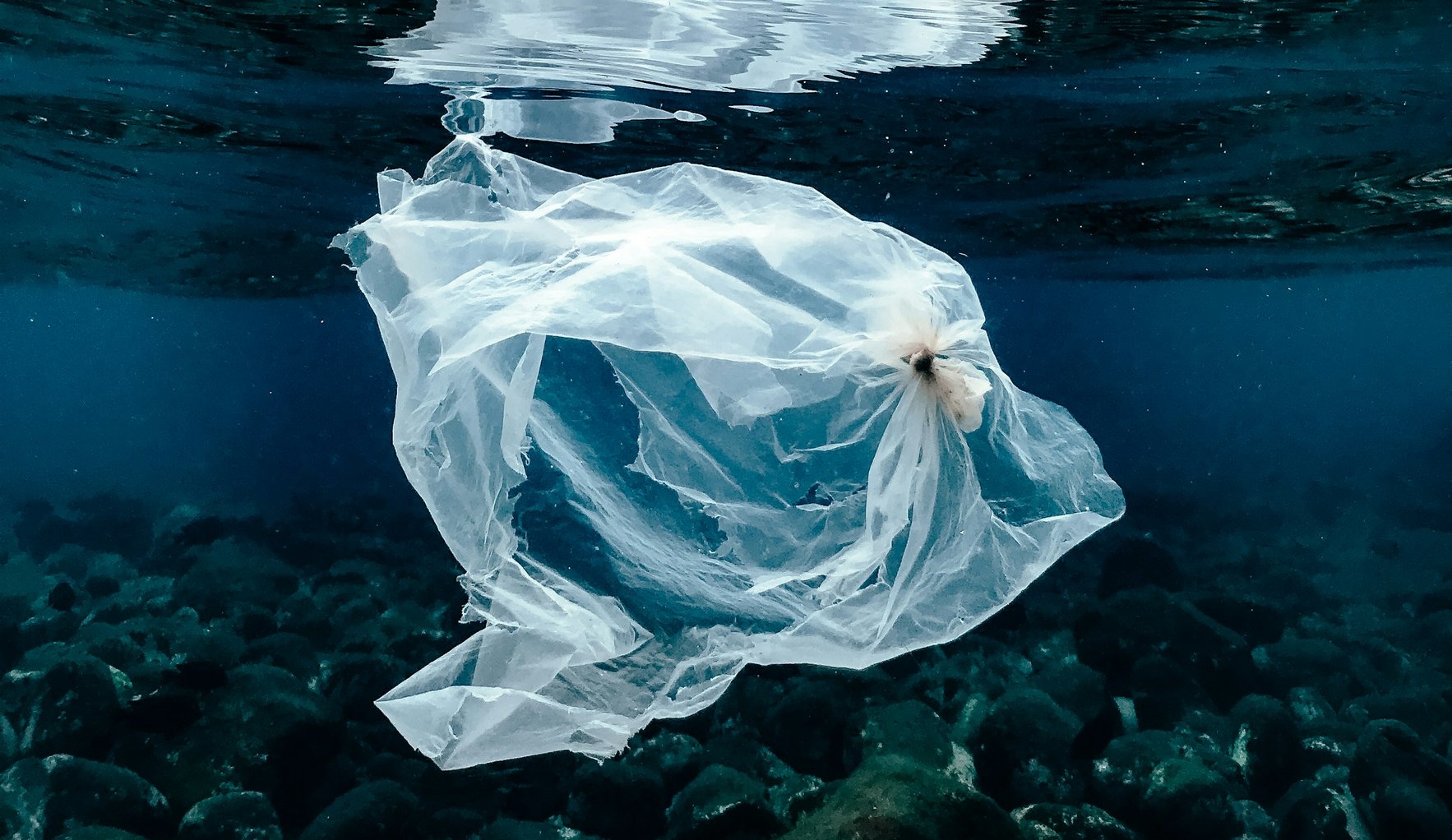
Marine plastic policy in numbers
Negotiations on an international treaty to end plastic pollution (the global plastics treaty) began with UN Environment Assembly resolution 5/14 on 2 March 2022. The resumed fifth session in Geneva in August 2025 (INC-5.2) adjourned without consensus on a text, and the next session (INC-5.4) is planned within 13-24 March 2027 (UNEP; UNEP press release; Ministry of the Environment and METI, document 3, slide 26 (Japanese)). Japan's main measures are the Marine Litter Disposal Promotion Act (2009), the plastics strategy and marine plastic action plan (2019), charges for plastic bags (2020) and the Plastic Resource Circulation Act (in force 2022).
This page is part of the Karatsu Data Bank by Karatsu Farm & Food. It sets out the course of the plastics treaty negotiations, the number of countries regulating plastic bags and single-use plastics, a timeline of Japan's laws and plans, and Saga Prefecture's plan, from the world to Japan, Saga and Karatsu. We add no conclusions or evaluative words. Checked as of 26 November 2026. Japan's plastic leakage to the sea is on plastic statistics.
| Rank | Measure | Countries (of 192) |
|---|---|---|
| 1 | Regulate plastic bags by law in some way | 127 |
| 2 | Ban or restrict plastic bags | 91 |
| 3 | Ban free distribution of plastic bags | 83 |
| 4 | Ban manufacture or import of plastic bags | 61 |
| 5 | Charge consumers for plastic bags (national) | 30 |
| 6 | Tax plastic bag manufacturing | 27 |
| 7 | Ban single-use plastic products or materials | 27 |
| 8 | Ban microbeads | 8 |
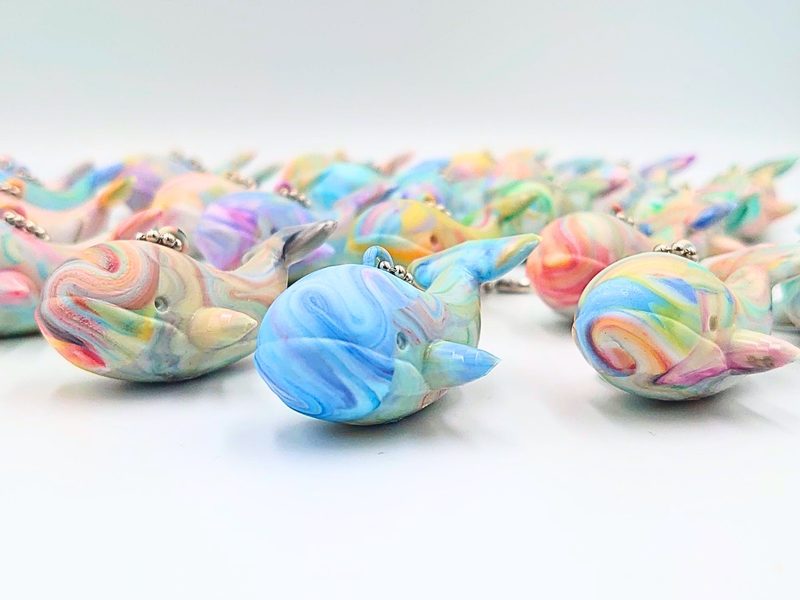
We collect PET bottle caps from homes, schools and beaches and turn them into products with small machines.
See our work
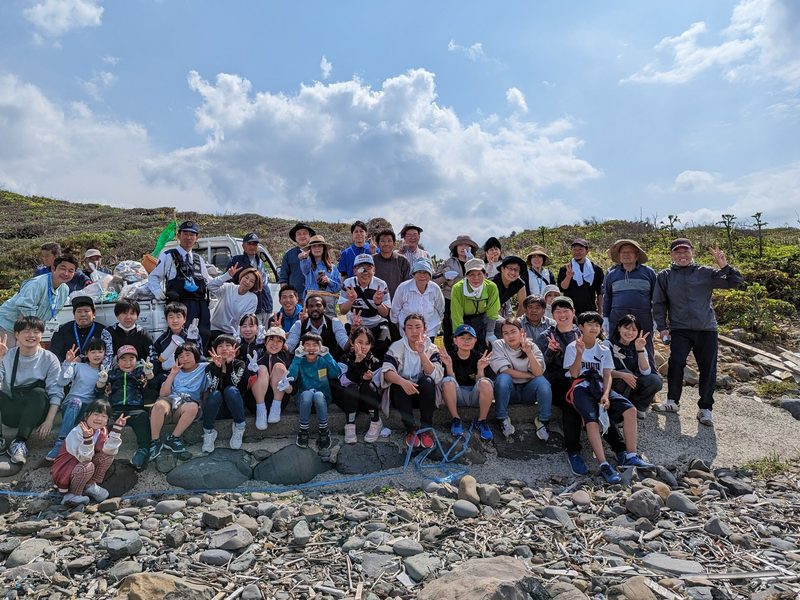
To cite this data or to ask about environmental learning on plastic policy for schools and companies.
Contact page
How far have the global plastics treaty negotiations got (2022-2027)?
On 2 March 2022 the UN Environment Assembly adopted resolution 5/14, "End plastic pollution: towards an international legally binding instrument", and set up the Intergovernmental Negotiating Committee (INC) (UNEP). The sessions so far:
| Session | Dates | Venue | Outcome |
|---|---|---|---|
| INC-1 | 28 Nov-2 Dec 2022 | Punta del Este, Uruguay | Negotiations began |
| INC-2 | 29 May-2 Jun 2023 | Paris, France | Chair mandated to prepare a zero draft |
| INC-3 | 13-19 Nov 2023 | Nairobi, Kenya | Zero draft discussed |
| INC-4 | 23-29 Apr 2024 | Ottawa, Canada | Intersessional expert work agreed |
| INC-5.1 | 25 Nov-1 Dec 2024 | Busan, Republic of Korea | Chair's Text forwarded to a resumed session |
| INC-5.2 | 5-15 Aug 2025 | Geneva, Switzerland | Adjourned without consensus on a text |
| INC-5.3 | 7 Feb 2026 (one day) | Geneva, Switzerland | New Chair elected; no substantive negotiations |
| INC-5.4 | within 13-24 Mar 2027 (planned) | To be decided (Nairobi reserved if no host) | - |
INC-5.2 brought together 183 countries but adjourned on 15 August without consensus on a text (UNEP press release). After the previous Chair resigned, a one-day session on 7 February 2026 (INC-5.3) elected a new Chair, with no substantive negotiations (UNEP press release). Informal meetings of heads of delegation followed in Nairobi (June-July 2026) and Bangkok (September 2026), with the next planned in Nairobi on 28-30 January 2027 (UNEP). Consultations on a host for INC-5.4 are ongoing, and meeting space has been reserved in Nairobi if no formal offer is made (Bureau summary, para. 33).
Japan says it contributes to the talks with the aim of an effective framework in which all countries take part, and an adviser to the Ministry of the Environment serves as the Asia-Pacific representative (Vice-Chair) on the INC Bureau (Ministry of the Environment and METI, 21 August 2026, slide 26 (Japanese)).
Timeline of Japan's marine plastic laws and plans (2009-2022)
| Date | Event | Source |
|---|---|---|
| 15 Jul 2009 | Marine Litter Disposal Promotion Act enacted and in force (Act No.82 of 2009) | source |
| 30 Mar 2010 | Basic policy under the Act adopted by the Cabinet | source |
| 22 Jun 2018 | Amendment enacted and in force; "and the marine environment" added to the title (Act No.64 of 2018) | source |
| 31 May 2019 | Resource Circulation Strategy for Plastics adopted (nine ministries) | source |
| 31 May 2019 | Action Plan for Marine Plastic Litter adopted | source |
| 31 May 2019 | Revised basic policy under the Marine Litter Act adopted by the Cabinet | source |
| Jun 2019 | Osaka Blue Ocean Vision shared at the G20 Osaka Summit | source |
| 1 Jul 2020 | Charging for plastic shopping bags begins nationwide | source |
| 11 Jun 2021 | Plastic Resource Circulation Act promulgated (Act No.60 of 2021) | source |
| 1 Apr 2022 | Plastic Resource Circulation Act in force | source |
The plastics strategy sets these milestones: a cumulative 25% reduction of one-way plastics (containers and packaging) by 2030; designs that can be reused or recycled by 2025; 60% of plastic containers and packaging reused or recycled by 2030; 100% effective use, including heat recovery, by 2035; and doubling recycled use by 2030 (Resource Circulation Strategy for Plastics (31 May 2019, Japanese) pp.9-10). The bioplastics target is on bioplastics.
The Osaka Blue Ocean Vision aims to reduce additional pollution by marine plastic litter to zero by 2050; 87 countries and regions shared it as of May 2021 (Ministry of the Environment (Japanese)). Bags 50 µm or thicker, bags of 100% marine-biodegradable plastic and bags with 25% or more biomass content are exempt from the bag charge (METI (Japanese)).
Saga Prefecture's regional plan for coastal litter (2012, September 2025 edition)
Saga Prefecture adopted its regional plan under the Marine Litter Act in May 2012; the latest edition is from September 2025 (Saga Prefecture (Japanese)). On the Matsuura coast the plan makes the coastline within Genkai Quasi-National Park a priority area, and on the Ariake Sea coast the whole coastline and fishing port areas needing measures (p.38, Table 5.1) and names seven model districts in Karatsu City (Table 5.1, p.41) (plan (Japanese)). It states that the plan will be reviewed as needed (p.47).
An example from Karatsu (our work)
Through Precious Plastic Karatsu we collect PET bottle caps from homes, schools and beaches and turn them into products with small machines. We found no Karatsu City plan or declaration specific to marine plastic in the sources checked; on 22 July 2024 the city signed an agreement with a private company on marine plastic and resource circulation (Karatsu City (Japanese)).
Frequently asked questions
Q1. Where do the global plastics treaty negotiations stand?
Talks began with a UN Environment Assembly resolution in March 2022. The resumed fifth session (INC-5.2, Geneva, August 2025) adjourned without consensus on a text. A new Chair was elected in February 2026, and the next session (INC-5.4) is planned within 13-24 March 2027 (UNEP, INC sessions; Ministry of the Environment and METI, document 3, slide 26 (Japanese)).
Q2. When is the next plastics treaty session?
INC-5.4 is planned within 13-24 March 2027; its duration and venue were not fixed as of November 2026. Meeting space has been reserved in Nairobi if no formal host offer is made (INC Bureau).
Q3. What are Japan's marine plastic laws?
The Marine Litter Disposal Promotion Act (2009, amended 2018) and the Plastic Resource Circulation Act (promulgated 2021, in force 1 April 2022). Plans include the Resource Circulation Strategy for Plastics and the Action Plan for Marine Plastic Litter (both 31 May 2019).
Q4. How many countries ban plastic bags?
UNEP's 2018 review found that 127 of 192 countries regulated plastic bags by law in some way, 91 banned or restricted them and 61 banned their manufacture or import (UNEP, Legal Limits on Single-Use Plastics and Microplastics (2018)).
Q5. What is the Osaka Blue Ocean Vision?
A vision shared at the G20 Osaka Summit in June 2019 to reduce additional pollution by marine plastic litter to zero by 2050; 87 countries and regions shared it as of May 2021 (Ministry of the Environment (Japanese)).
Sources
| Source | Publisher | Date | URL | Accessed |
|---|---|---|---|---|
| Intergovernmental Negotiating Committee on Plastic Pollution (resolution 5/14) | UNEP | 2022-03-02 | https://www.unep.org/en/inc-plastic-pollution | 2026-11-26 |
| INC sessions | UNEP | 2022-2026 | https://www.unep.org/en/inc-plastic-pollution/sessions | 2026-11-26 |
| Second part of the fifth session (INC-5.2) | UNEP | 2025 | https://www.unep.org/en/inc-plastic-pollution/sessions/second-part-fifth-session | 2026-11-26 |
| Cabinet decision on the basic policy under the Marine Litter Act, press release (Japanese) | Ministry of the Environment | 2010-03-30 | https://www.env.go.jp/press/12331.html | 2026-11-26 |
| Agreements and declarations (Japanese) | Karatsu City | - | https://www.city.karatsu.lg.jp/page/1072.html | 2026-11-26 |
| Plastic pollution negotiations adjourn with new text and follow-up session (INC-5.1) | UNEP | 2024-12-01 | https://www.unep.org/en/news-and-stories/press-release/plastic-pollution-negotiations-adjourn-new-text-and-follow-session | 2026-11-26 |
| Talks on global plastic pollution treaty adjourn without consensus (INC-5.2) | UNEP | 2025-08-15 | https://www.unep.org/en/news-and-stories/press-release/talks-global-plastic-pollution-treaty-adjourn-without-consensus | 2026-11-26 |
| New Chair elected to lead negotiations on global plastic pollution treaty (INC-5.3) | UNEP | 2026-02-07 | https://www.unep.org/en/news-and-stories/press-release/new-chair-elected-lead-negotiations-global-plastic-pollution-treaty | 2026-11-26 |
| Draft summary of the INC Bureau meeting | UNEP (INC secretariat) | 2026-10-27 | https://wedocs.unep.org/server/api/core/bitstreams/2be32d1c-9ead-4832-aeed-8627ee5d8a53/content | 2026-11-26 |
| INC intersessional activities | UNEP | 2026 | https://www.unep.org/en/inc-plastic-pollution/activities | 2026-11-26 |
| Legal Limits on Single-Use Plastics and Microplastics | UNEP | 2018 | https://wedocs.unep.org/bitstreams/5a68c29c-1456-4f1c-b7f8-538c6a3d62ee/download | 2026-11-26 |
| Marine Litter Disposal Promotion Act (Japanese) | Ministry of the Environment | 2009-2019 | https://www.env.go.jp/water/marine_litter/law.html | 2026-11-26 |
| Revised basic policy under the Marine Litter Act, press release (Japanese) | Ministry of the Environment | 2019-05-31 | https://www.env.go.jp/press/106864.html | 2026-11-26 |
| Resource Circulation Strategy for Plastics (Japanese) | Consumer Affairs Agency, Ministry of the Environment and others | 2019-05-31 | https://www.env.go.jp/content/900513722.pdf | 2026-11-26 |
| Action Plan for Marine Plastic Litter (Japanese) | Ministerial Council on Marine Plastic Litter | 2019-05-31 | https://www.env.go.jp/content/900513728.pdf | 2026-11-26 |
| Osaka Blue Ocean Vision (Japanese) | Ministry of the Environment | as of 2021-05 | https://www.env.go.jp/water/post_75.html | 2026-11-26 |
| Plastic bag charges (Japanese) | METI | 2020-07-01 | https://www.meti.go.jp/policy/recycle/plasticbag/plasticbag_top.html | 2026-11-26 |
| Act on Promotion of Resource Circulation for Plastics (Japanese) | e-Gov (Digital Agency) | 2021-06-11 | https://laws.e-gov.go.jp/law/503AC0000000060 | 2026-11-26 |
| Progress of the Resource Circulation Strategy for Plastics, document 3 (Japanese) | Ministry of the Environment and METI | 2026-08-21 | https://www.meti.go.jp/shingikai/sankoshin/sangyo_gijutsu/resource_circulation/plastic_wg/pdf/012_03_00.pdf | 2026-11-26 |
| Saga Prefecture regional plan for coastal litter (Japanese) | Saga Prefecture | 2025-09 | https://www.pref.saga.lg.jp/kiji00352458/3_52458_367947_up_2no2qav5.pdf | 2026-11-26 |
Where sources differ
UNEP's list of sessions (UNEP, INC sessions) gives INC-5.2 as 5-14 August and its own session page (UNEP) gives 5-15 August. The closing plenary was held on 15 August (UNEP press release), so this page uses 5-15 August.
Not covered on this page
Countries' negotiating positions, the content of draft treaty texts and voluntary corporate targets are not covered. Survey methods are on marine litter survey methods and lost fishing gear on ghost gear.
Citing this page and enquiries
To cite these figures, or to ask about environmental learning on plastic policy, use our contact page or info@karatsu-f-f.com.
About this page
Publisher: Karatsu Farm & Food / Reviewed and approved by Hiroaki Kojima (Vice Director) / Contact: info@karatsu-f-f.com (contact page) / Published 26 November 2026 / Markdown: marine-plastic-policy-data.mdThis page is made together with AI. See this data bank and AI for how.
Related links
▶ Karatsu Data Bank
▶ Plastic statistics
▶ Marine litter survey methods
▶ Ghost gear
▶ Precious Plastic Karatsu
▶ 海洋プラスチックの政策(日本語)