

In FY2025 (April 2025 to March 2026), 89 community groups in Karatsu City carried out joint work on 4,012 ha of farmland, such as clearing mud from irrigation canals, mowing and repairing farm roads, and received ¥267.2 million in Multifunctional Payment Grants (MAFF, FY2025 implementation by municipality). In January 2026 Japan's Ministry of Land, Infrastructure, Transport and Tourism (MLIT) published its "Green Infrastructure Promotion Strategy 2030", which commits to guidelines on efficient maintenance of green infrastructure by FY2027 (MLIT).
This page was created by Karatsu Farm & Food as part of the Karatsu Data Bank. It looks at green infrastructure (social infrastructure that uses the functions of nature) not only in terms of the cost of building it, but also who pays to maintain it, and sets out figures as published by the national government, Saga Prefecture, Karatsu City and overseas bodies. We add no conclusions or evaluations. Offshore wind, solar power and the list of Strategy 2030 targets are covered on Renewable Energy and Nature through the IPBES Nexus Assessment.
Japanese fiscal years (FY) run from April to March. Amounts are in Japanese yen (¥).
What is green infrastructure?
MLIT defines green infrastructure as "social infrastructure that uses the many functions of nature and contributes to sustainable and attractive national land, cities and regions and to well-being". It adds that strategic planning, sustained maintenance and broad stakeholder participation can bring greater effects (MLIT press release, 23 January 2026).
The Green Infrastructure Promotion Strategy 2030 runs to FY2030 and sets 20 cross-cutting KPIs for the first time. On maintenance, it commits to publishing guidelines on efficient maintenance of green infrastructure and on maintenance through civic activities, both by FY2027. It also aims to raise the share of regional and municipal green plans that include green infrastructure from 25% (FY2023) to 40% (MLIT, Strategy 2030 reference materials).
How green infrastructure is financed
MLIT's "Finance Guidelines for Green Infrastructure (interim report)" divide green infrastructure projects into five types by whether their value can be turned into income: (1) projects whose value can become income, (2) projects that reduce a company's own business risk, (3) projects whose core business reduces local risk, (4) social contribution outside a company's core business, and (5) public projects that form basic local infrastructure. Type (4) "tends not to be highly profitable" and relies mainly on public subsidies. For type (5), the guidelines say donations can be sought widely by explaining the impact on the area. They also stress the role of intermediary organisations that coordinate government, academia, finance and industry (MLIT, Finance Guidelines summary).
Strategy 2030's finance KPI is to create at least one green infrastructure loan or financial product in every prefecture that has a designated city (MLIT). Saga Prefecture has no designated city.
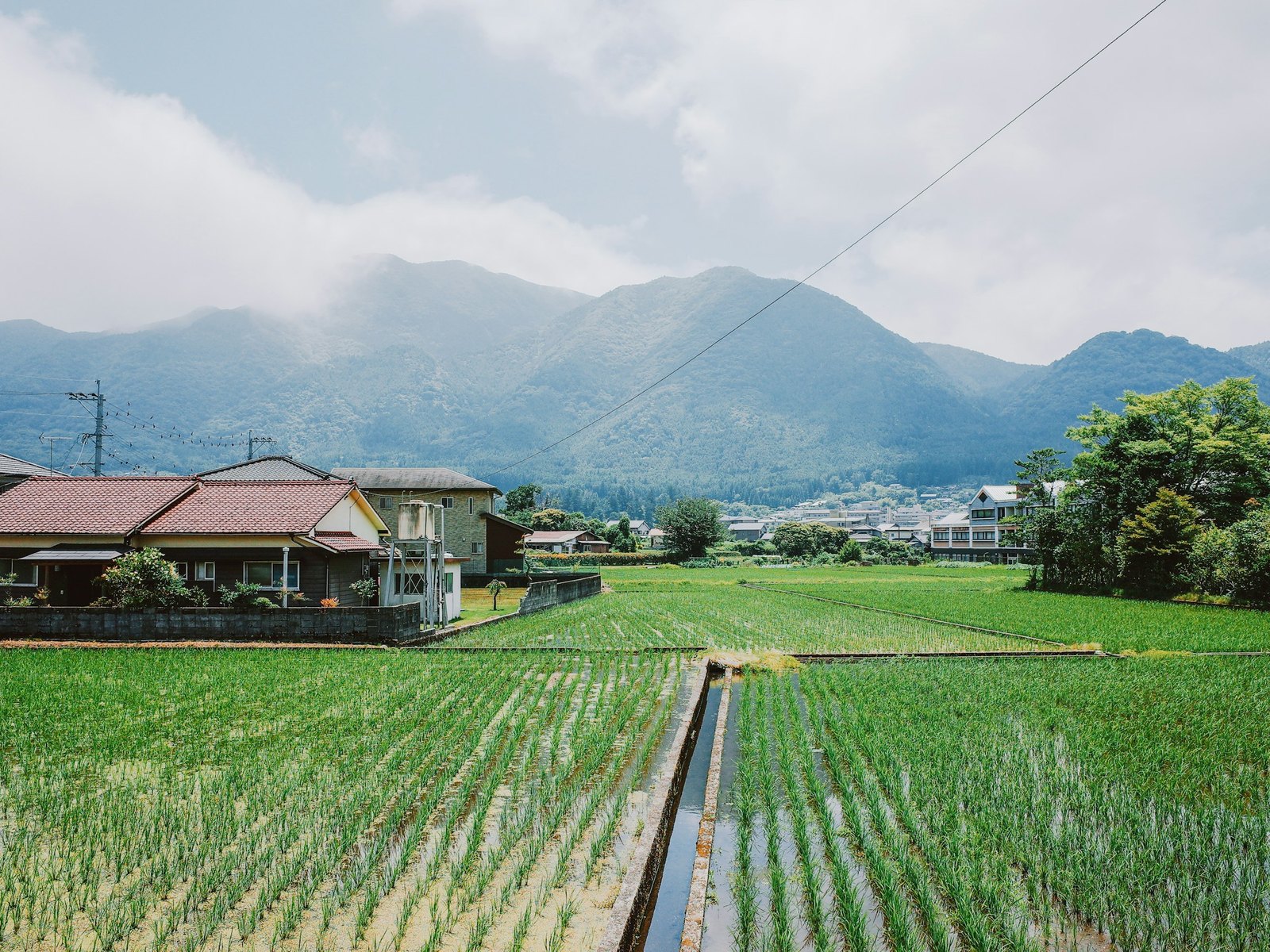
Maintaining paddies and canals: Multifunctional Payment Grants
Multifunctional Payment Grants are a national scheme paid to groups that look after farmland, irrigation canals and farm roads through joint community work, with costs shared 1:1 between national and local governments. There are three parts: farmland maintenance (mowing, clearing mud from canals), resource improvement (minor repairs and ecosystem conservation) and resource improvement for extending the life of ageing facilities (MAFF, FY2025 implementation).
In FY2025, 24,790 groups in 1,446 municipalities worked on about 2.33 million ha of farmland nationwide, a coverage rate of 57% of farmland area. The facilities covered include about 430,000 km of canals, about 250,000 km of farm roads and about 47,000 reservoirs (same source).
| Groups (farmland maintenance) | Certified farmland | Grants | |
|---|---|---|---|
| Japan | 24,790 | about 2.33 million ha | Budget (national share) ¥50 billion |
| Saga Prefecture | 615 | 35,835 ha | ¥2.7304 billion |
| Karatsu City | 89 | 4,012 ha | ¥267.2 million |
In Saga Prefecture, farmland maintenance groups fell from 719 in FY2023 to 613 in FY2024, and were 615 in FY2025 (MAFF, by prefecture). Saga's coverage for facility life extension is 61%, third in Japan after Fukui (76%) and Hyogo (73%) (MAFF). In Karatsu City, 81 groups work on facility life extension over 3,704 ha (by municipality).
Farmland in hilly areas: Direct Payments for Hilly and Mountainous Areas
This national scheme pays farmers on sloping and other disadvantaged land to make up the higher cost of farming there compared with flat land, so that farming continues. FY2025 was the first year of the sixth phase. Nationwide, agreements fell from 24,446 to 21,664, and the share of eligible farmland receiving payments went from 83.1% to 82.4% (MAFF, FY2025 implementation).
In Saga Prefecture, agreements fell from 465 to 434, the area paid from 6,608 ha to 5,777 ha and payments from ¥1.119 billion to ¥1.024 billion. The share of eligible farmland receiving payments went from 55.6% to 49.2%, below the national 82.4% (same source).
In FY2024, Karatsu City had 100 agreements with 3,274 participants (counting each agreement separately), 1,829.6 ha and ¥322.662 million in payments (national ¥159.202 million, prefecture ¥81.73 million, city ¥81.73 million). Of the money allocated to communities' joint activities, ¥16.267 million went to preventing wildlife damage and ¥29.124 million to farmland management (Karatsu City, August 2025).
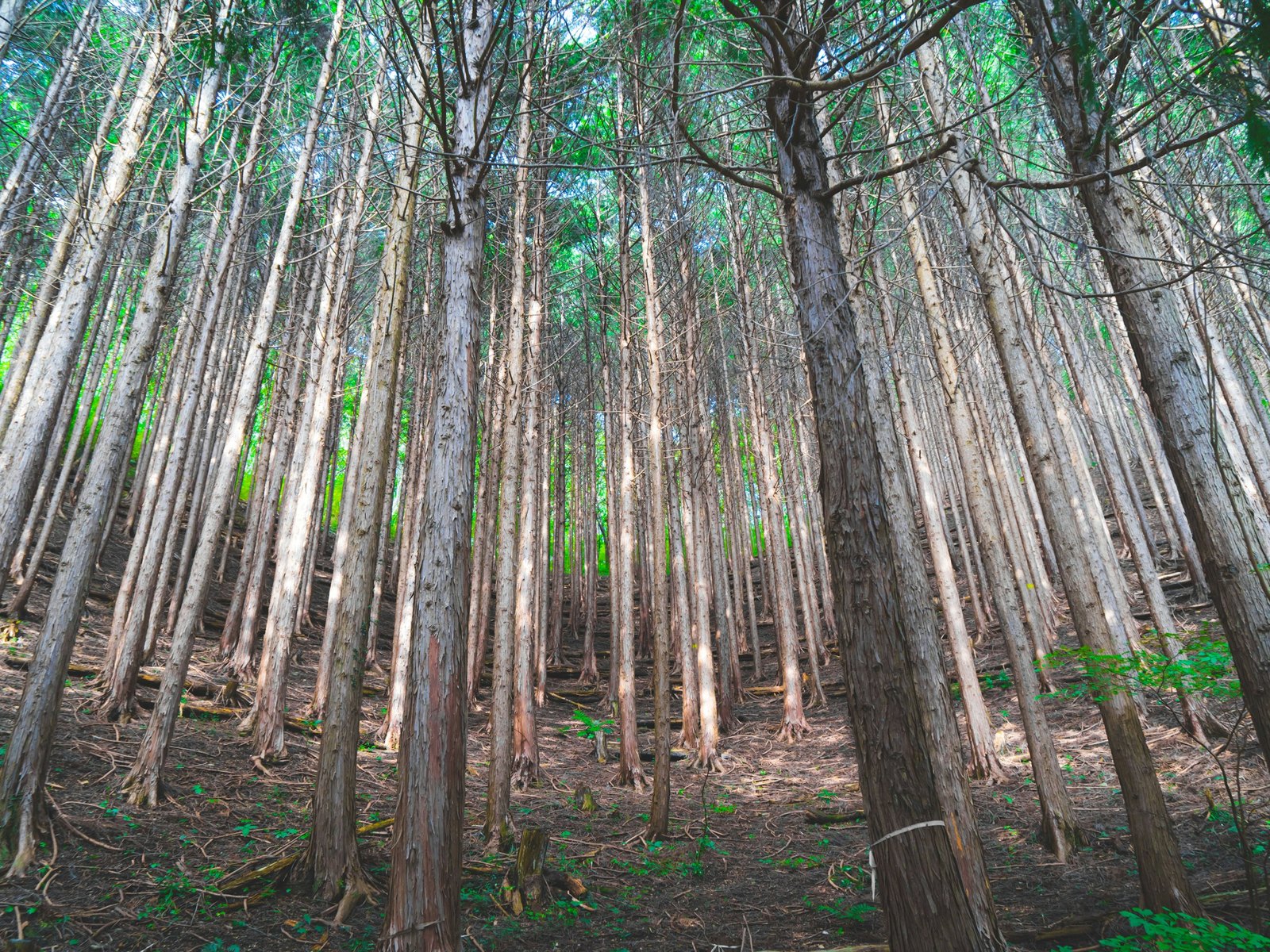
Maintaining forests: the Forest Environment Transfer Tax
Since FY2024, municipalities have collected the Forest Environment Tax, a national tax of ¥1,000 per person per year, together with local residence tax. The revenue is passed to municipalities and prefectures as the Forest Environment Transfer Tax, based on private planted forest area, the number of forestry workers and population, and is used for thinning and other forest work, training workers, wood use and public awareness (Forestry Agency). In FY2024, ¥62.9 billion was transferred nationwide and ¥52 billion was used (MIC and Forestry Agency).
Karatsu City received ¥82.164 million in FY2025 (Karatsu City). That year the city surveyed forest owners' intentions over 252.87 ha, surveyed 37.36 ha of forest and thinned 47.79 ha. Main costs were thinning contracts (¥29.04 million), clearing trees along forest roads and repairing road surfaces and drainage (¥14.993 million) and support for training new forestry workers (¥13.193 million). The remainder was placed in a fund for forest work and workforce measures from FY2026 (Karatsu City, FY2025 settlement).
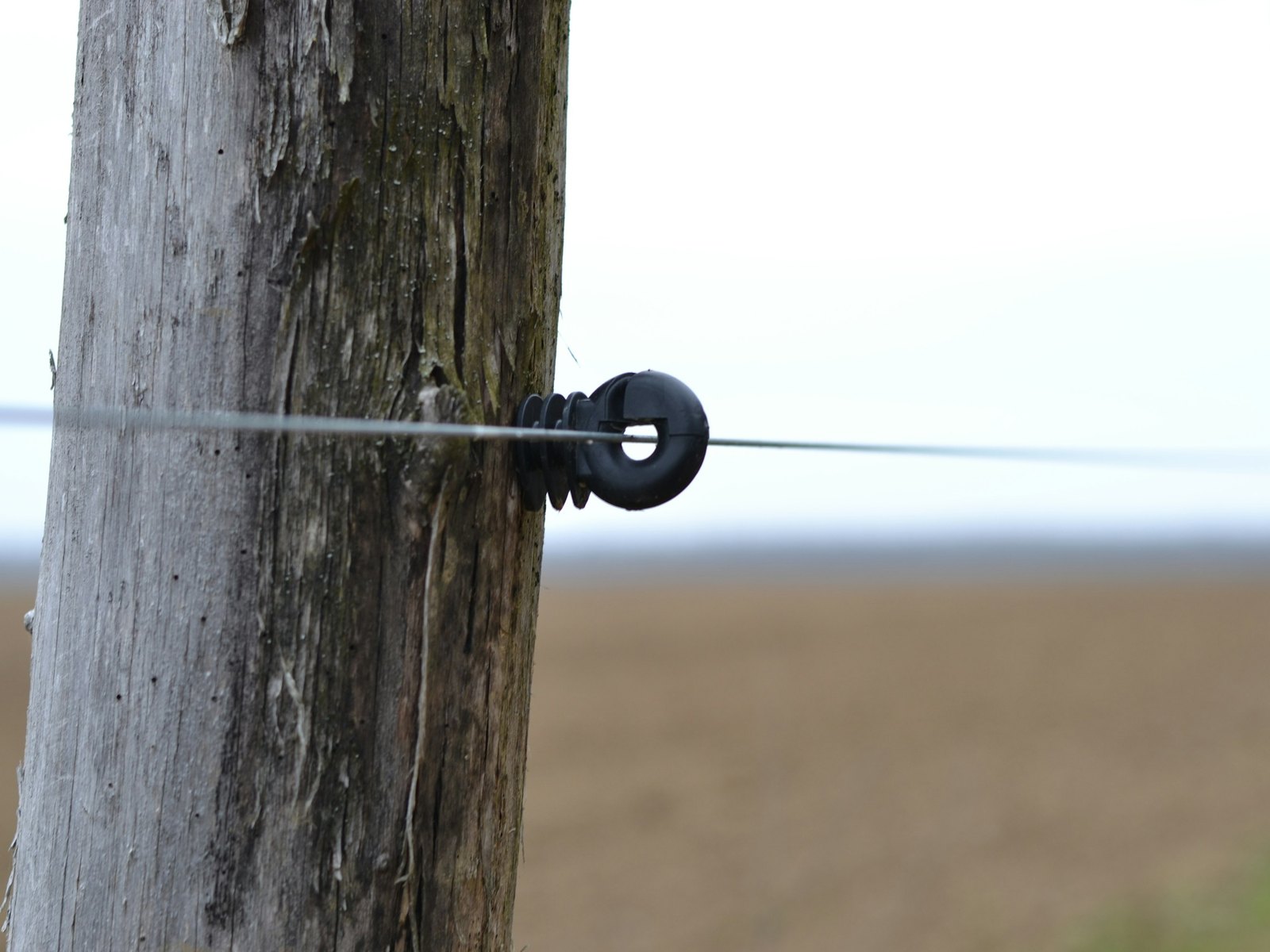
Crop damage by wildlife: Saga Prefecture and Japan
Crop damage by wildlife in Saga Prefecture was about ¥191 million in FY2025, about a quarter of the 20-year peak in FY2002. Wild boar accounted for about 60%, with damage of about ¥116 million (rice about ¥71.5 million) and 14,107 animals caught. Damage by monkeys was about ¥17 million, up about ¥14 million, and the prefecture notes that monkey troops live in the Karatsu area (Saga Prefecture, updated 23 October 2026).
Nationwide damage in FY2024 was ¥18.8 billion, including ¥7.9 billion by deer and ¥4.5 billion by wild boar (MAFF).
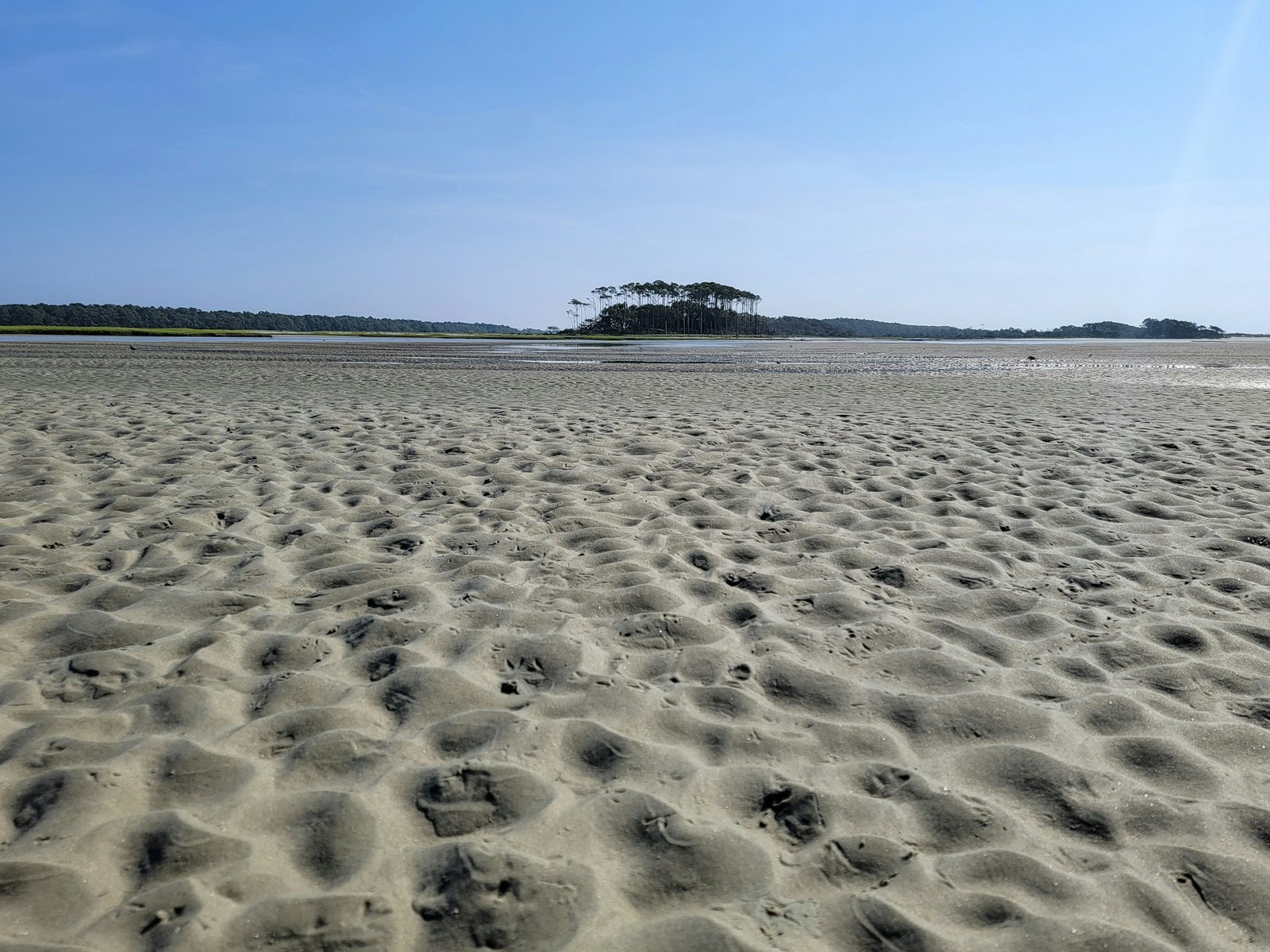
A Green Infrastructure Award in Saga: Kashima City
In the 3rd Green Infrastructure Award run by the Green Infrastructure Public-Private Partnership Platform, set up by MLIT in 2020, the Kashima City Ramsar Convention Promotion Council and Kashima City, Saga Prefecture, received the Minister's Award in the ecosystem conservation category (Green Infrastructure Platform, award results; MLIT).
Kashima's Hizen-Kashima tidal flats were registered as a Ramsar wetland in May 2015. The city names landslides and flooding from heavy rain, and driftwood and litter reaching the tidal flats, as issues. It presents making sake with local breweries from rice-terrace rice, and using rice from abandoned fields as a raw material for biomass plastic, as projects eligible for corporate hometown tax donations (Cabinet Office regional revitalisation portal). Its SDGs Future City plan (2026 to 2030) aims to raise the number of rice terraces effectively managed as green infrastructure from 4 in March 2025 to 8 in 2030, and records that the city was certified as a nature symbiosis site in September 2025 (Kashima City, SDGs Future City plan, 2nd edition). As of 18 June 2026, 96 businesses, organisations and individuals were registered as Hizen-Kashima Tidal Flats SDGs Partners (Kashima City).
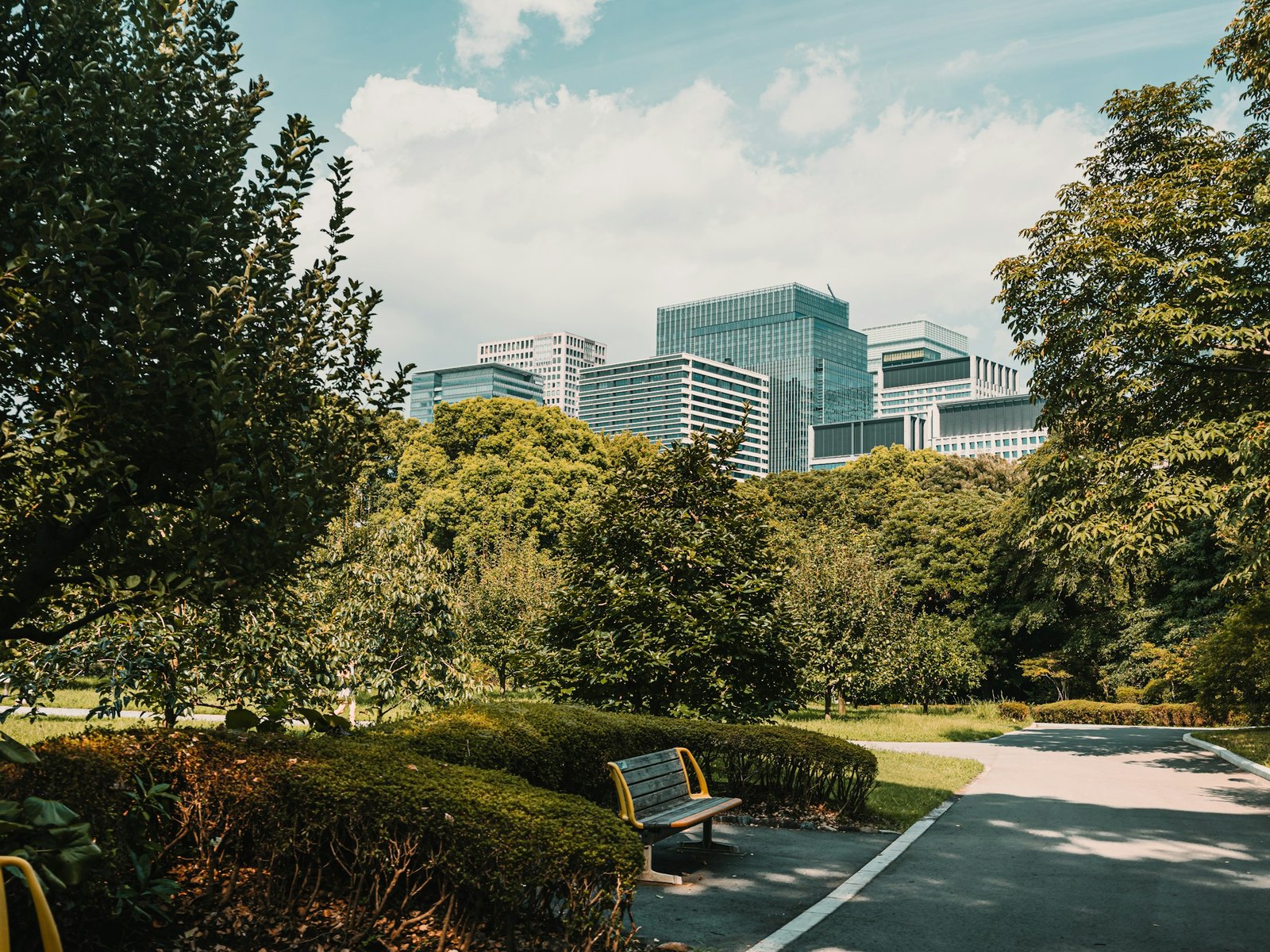
Urban green infrastructure: TSUNAG certification and overseas examples
In cities, the TSUNAG scheme, started in November 2024, lets the Minister of Land, Infrastructure, Transport and Tourism assess and certify green space secured by companies and others in terms of climate action, biodiversity and well-being. The first 14 certifications came in March 2025: 8 in Tokyo, 2 each in Osaka and Chiba, and 1 each in Nagano and Hyogo (MLIT). By FY2025 the total had reached 19 plans (MLIT City Bureau, December 2025).
Certified plans can use interest-free loans (urban development funds) and subsidies (urban green infrastructure support) of up to half of the cost of green space work (MLIT, TSUNAG overview). From April 2027, the minimum green space area will be lowered from 1,000 m² to 500 m² (MLIT, February 2026).
Philadelphia's "Green City, Clean Waters" programme has built green stormwater infrastructure since 2011 to reduce combined sewer overflows. Against a Year 15 target of 3,812 Greened Acres, it has completed more than 3,860 through over 1,100 public and private projects (Philadelphia Water Department, 16 July 2026). Under Copenhagen's Cloudburst Management Plan, underground storage and drainage are financed through charges collected by the public water utility and greening of public space through city taxes, while measures on private buildings (about one third of the plan's costs) have few incentives beyond higher insurance prices (C40 Cities, February 2016).
Global trends: UNEP and the EU Nature Restoration Regulation
According to UNEP's "State of Finance for Nature 2026", finance flows directly harmful to nature reached US$7.3 trillion in 2023, while investment in nature-based solutions was US$220 billion, of which private finance was US$23 billion. To meet biodiversity, climate and land restoration targets, NbS investment must rise to US$571 billion a year by 2030 (UNEP).
The EU Nature Restoration Regulation (Regulation (EU) 2024/1991) aims to put restoration measures in place on at least 20% of the EU's land and sea areas by 2030 and on all ecosystems in need of restoration by 2050. It also requires no net loss of urban green space and tree cover by 2030, and member states are to submit national restoration plans by September 2026 (European Commission).
Where to see green infrastructure in Karatsu
At Yokomakura, a nature symbiosis site in Ochi, Karatsu City, we combine a small hydropower generator driven by canal water with electric fences against wildlife damage. For visits and training, please contact us through our Green Infrastructure page.
Frequently asked questions (FAQ)
Q1. What is green infrastructure?
MLIT defines it as "social infrastructure that uses the many functions of nature". Examples include green spaces and rain gardens that store and absorb rainwater, rice terraces, tidal flats and urban green space. The government published its Green Infrastructure Promotion Strategy 2030 in January 2026.
Q2. How much grant money supports the upkeep of canals and farmland in Karatsu City?
Multifunctional Payment Grants of ¥267.2 million went to 89 groups (4,012 ha) in FY2025, and Direct Payments for Hilly and Mountainous Areas of ¥322.66 million went to 100 agreements (1,829.6 ha) in FY2024. Both are funded by national, prefectural and city governments.
Q3. Has any project in Saga Prefecture won a Green Infrastructure Award?
Yes. "Kashima's sustainable green infrastructure that protects both people and tidal flats" by the Kashima City Ramsar Convention Promotion Council and Kashima City won the Minister's Award in the ecosystem conservation category of the 3rd Green Infrastructure Award.
Q4. What schemes exist for urban green infrastructure?
TSUNAG, under which the Minister certifies high-quality green space secured by companies and others, started in November 2024, and 19 plans were certified across FY2024 and FY2025. Certified plans can use interest-free loans and subsidies of up to half of green space costs.
Q5. How is green infrastructure paid for?
MLIT's Finance Guidelines (interim report, March 2026) divide projects into five types by whether they can generate income, and cover public-private and citizen funds, donations with conditions, leasing public land, PFS/SIB, credits and crowdfunding. Projects that find it hard to generate income rely mainly on subsidies and donations.
Sources
| Title | Publisher | Date | URL | Accessed |
|---|---|---|---|---|
| Green Infrastructure Promotion Strategy 2030 (press release) | MLIT | 2026-01-23 | https://www.mlit.go.jp/report/press/sogo10_hh_000369.html | 2026-11-12 |
| Green Infrastructure Promotion Strategy 2030, reference materials | MLIT | 2026-01 | https://www.mlit.go.jp/report/press/content/001978316.pdf | 2026-11-12 |
| Formulation of the Green Infrastructure Promotion Strategy 2030 | MLIT (posted by Ministry of the Environment) | 2026-03 | https://www.env.go.jp/content/000382394.pdf | 2026-11-12 |
| Finance Guidelines for Green Infrastructure (interim report), summary | MLIT | 2026-03-27 | https://www.mlit.go.jp/report/press/content/001992235.pdf | 2026-11-12 |
| FY2025 implementation of Multifunctional Payment Grants | MAFF | 2026-08 | https://www.maff.go.jp/j/nousin/kanri/attach/pdf/260831-1.pdf | 2026-11-12 |
| FY2025 implementation of Multifunctional Payment Grants, by prefecture | MAFF | 2026-08 | https://www.maff.go.jp/j/nousin/kanri/attach/pdf/260831-2.pdf | 2026-11-12 |
| FY2025 implementation of Multifunctional Payment Grants, by municipality | MAFF | 2026-08 | https://www.maff.go.jp/j/nousin/kanri/attach/pdf/260831-3.pdf | 2026-11-12 |
| Current situation of Multifunctional Payment Grants | MAFF | 2025 | https://www.maff.go.jp/j/nousin/kanri/tamen_siharai/n_sansya/attach/pdf/251114-7.pdf | 2026-11-12 |
| FY2025 implementation of Direct Payments for Hilly and Mountainous Areas | MAFF | 2026-08 | https://www.maff.go.jp/j/nousin/tyusan/siharai_seido/attach/pdf/index-146.pdf | 2026-11-12 |
| Implementation of Direct Payments for Hilly and Mountainous Areas | Karatsu City | 2025-08 | https://www.city.karatsu.lg.jp/uploaded/attachment/20918.pdf | 2026-11-12 |
| Forest Environment Tax and Forest Environment Transfer Tax | Forestry Agency | n/a | https://www.rinya.maff.go.jp/j/keikaku/kankyouzei/kankyouzei_jouyozei.html | 2026-11-12 |
| Use of the Forest Environment Transfer Tax in FY2024 | MIC and Forestry Agency | 2025-12 | https://www.rinya.maff.go.jp/j/keikaku/kankyouzei/attach/pdf/231018-12.pdf | 2026-11-12 |
| Publication of uses of the Forest Environment Transfer Tax | Karatsu City | 2026-11-06 | https://www.city.karatsu.lg.jp/page/3065.html | 2026-11-12 |
| FY2025 settlement of the Forest Environment Transfer Tax | Karatsu City | 2026-11-06 | https://www.city.karatsu.lg.jp/uploaded/attachment/28215.pdf | 2026-11-12 |
| Crop damage by wildlife in the prefecture and countermeasures | Saga Prefecture | 2026-10-23 | https://www.pref.saga.lg.jp/kiji00359274/index.html | 2026-11-12 |
| Crop damage by wildlife (FY2024) | MAFF | n/a | https://www.maff.go.jp/j/seisan/tyozyu/higai/hogai_zyoukyou/index.html | 2026-11-12 |
| Green Infrastructure Award results | Green Infrastructure Public-Private Partnership Platform | n/a | https://gi-platform.com/archive/award_result | 2026-11-12 |
| Green Infrastructure Award | MLIT | n/a | https://www.mlit.go.jp/sogoseisaku/environment/sosei_environment_fr_000159.html | 2026-11-12 |
| Kashima's sustainable green infrastructure project | Kashima City (Cabinet Office portal) | n/a | https://www.chisou.go.jp/tiiki/tiikisaisei/portal/pdf/dai33/C-4_kashimashi.pdf | 2026-11-12 |
| Kashima City SDGs Future City plan, 2nd edition | Kashima City | 2026-04 | https://www.city.saga-kashima.lg.jp/site_files/file/kankyou/zero/%E3%80%90%E4%BD%90%E8%B3%80%E7%9C%8C%E9%B9%BF%E5%B3%B6%E5%B8%82%E3%80%91SDGs%E6%9C%AA%E6%9D%A5%E9%83%BD%E5%B8%82%E8%A8%88%E7%94%BB%20%EF%BC%88%E7%AC%AC%EF%BC%92%E7%89%88%EF%BC%89.pdf | 2026-11-12 |
| Hizen-Kashima Tidal Flats SDGs Partners list | Kashima City | as of 2026-06-18 | https://www.city.saga-kashima.lg.jp/main/22456.html | 2026-11-12 |
| First TSUNAG certifications | MLIT | 2025-03-18 | https://www.mlit.go.jp/report/press/content/001872911.pdf | 2026-11-12 |
| Overview of TSUNAG | MLIT | n/a | https://www.mlit.go.jp/report/press/content/001840892.pdf | 2026-11-12 |
| Recent trends in urban green space policy | MLIT City Bureau (METI council material) | 2025-12-10 | https://www.meti.go.jp/shingikai/sankoshin/chiiki_keizai/kojo_ritchi/pdf/037_04_00.pdf | 2026-11-12 |
| Review of TSUNAG assessment criteria | MLIT | 2026-02 | https://www.mlit.go.jp/toshi/kankyo/content/001984236.pdf | 2026-11-12 |
| 15 Years of Green City, Clean Waters | Philadelphia Water Department | 2026-07-16 | https://water.phila.gov/drops/15-years-of-green-city-clean-waters | 2026-11-12 |
| C40 Good Practice Guides: Copenhagen - Public-private finance scheme | C40 Cities | 2016-02 | https://www.c40.org/case-studies/c40-good-practice-guides-copenhagen-public-private-finance-scheme | 2026-11-12 |
| State of Finance for Nature 2026 | UNEP | 2026-01 | https://www.unep.org/resources/state-finance-nature-2026 | 2026-11-12 |
| Nature Restoration Regulation | European Commission | n/a | https://environment.ec.europa.eu/topics/nature-and-biodiversity/nature-restoration-regulation_en | 2026-11-12 |
Notes on reading the figures
Multifunctional Payment Grants and the Forest Environment Transfer Tax are FY2025 figures; Karatsu City's Direct Payments for Hilly and Mountainous Areas are FY2024. Multifunctional Payment Grant amounts are the total paid by national and local governments, except the Japan row, which shows the national budget. FY2025 was the first year of the sixth phase of Direct Payments for Hilly and Mountainous Areas, when agreements were renewed. Wildlife damage figures are compiled by prefectures and the national government from municipal reports. The breakdown of TSUNAG certifications by prefecture was counted by us from MLIT's list.
What this page does not cover
Offshore wind, onshore solar and the list of Strategy 2030 targets are on Renewable Energy and Nature through the IPBES Nexus Assessment; income and costs of nature credits are on Nature Credits; nature symbiosis site certifications are on Nature Symbiosis Sites in Numbers. We do not assess the cost-effectiveness of individual projects.
Citing this page and enquiries
To cite figures from this page, or to ask about green infrastructure visits and training, please use our contact form or write to info@karatsu-f-f.com.
About this page
Created by Hiroaki Kojima (Vice Director, Karatsu Farm & Food) / Contact: info@karatsu-f-f.com (contact form) / Published: November 13, 2026 / Markdown: green-infrastructure-data.mdThis page was made together with AI. See this data bank and AI for how.
Related links
▶ Karatsu Data Bank
▶ Green Infrastructure (Yokomakura)
▶ IPBES Nexus Assessment: Renewable Energy and Nature
▶ Nature Credits: Income, Costs and Who Gets Paid
▶ Nature Symbiosis Sites in Japan
▶ グリーンインフラのデータ(日本語)
Data Bank friends on this page
SoyoDark green, Goal 13
Looks laid-back, but is more sensitive than anyone to changes in temperature. On this page I look at the national targets for green infrastructure and how the ways of raising money for it are sorted out.
MikiGreen, Goal 15
A quiet lookout who spots changes in living things at once. On this page I line up figures on tidal flats, forests and wildlife damage to show what is happening where nature meets farmland.
TontonGolden yellow, Goal 11
A caretaker who loves connecting people and places. On this page I look at how much of the canals and farm roads local groups are looking after.